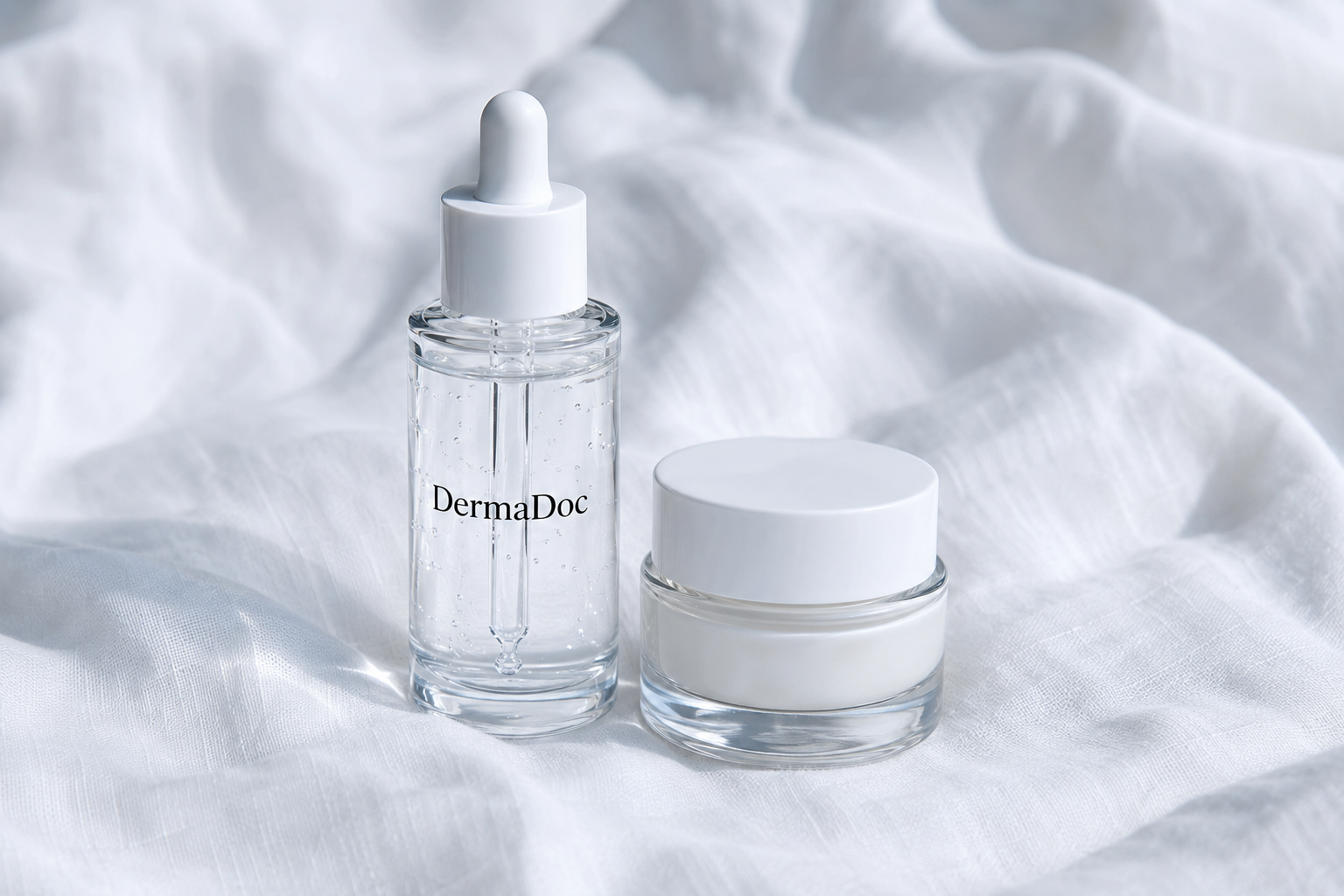
DermaDoc.com could carry a doctor-forward med-spa brand: aesthetic services framed with clinical tone, consent discipline, and service menus that refuse before-and-after guarantees. The useful work is menu framing and photo rules, not miracle grids.
Illustrative only. This page does not claim an existing med-spa, guaranteed results, or licensure. No before-and-after promises. Inquire with service list and locations.
Buyer and first offer
The buyer is an aesthetic practice lead who wants a public name that sounds clinician-adjacent without inventing a hospital. Clients need a calm menu, clear consult steps, and photography that respects consent. DermaDoc.com can hold that register if campaigns refuse outcome theater.
A practical first offer is a focused menu: consult, a short list of services the team actually delivers, and aftercare language written as process rather than guaranteed transformation. Pricing belongs to the operator. Surface area matters. A fifty-service splash page with unverified "permanent results" language multiplies complaint risk.
First-client definition should be concrete. Example: adults seeking elective aesthetic consults who respond to careful language and documented consent. That sentence drives casting, claim review, and retargeting rules.
Why the name fits this use
DermaDoc.com fits a doctor-forward med-spa because the letters suggest clinical seriousness without consuming the entire brand in a single procedure keyword. Service names can change; the house can stay. What the name does not do: create medical credentials, clear trademarks, or authorize outcome guarantees.
Advertising rules for aesthetic services vary by market. US teams often begin with general truth-in-advertising principles from the FTC advertising and marketing guidance plus state rules (not legal advice). Pair with the Journal post on photo and consent basics.
Distribution that stays honest
- Own site at DermaDoc.com with menu, consult path, and consent summary.
- Referral partners with disclosed relationships.
- Paid social that avoids unverified transformation claims.
- Review response macros that do not invent clinical promises.
What execution would require
Credential display rules, consent forms, photo release workflows, and claim review are the operator's responsibility. Ninety-day illustrative checklist:
- Service menu locked; weak claims rewritten.
- Photo release and storage process documented.
- Campaign review against the consent checklist.
- Staff brief on what not to promise in comments.
- Homepage hero free of miracle grids.
Concrete illustrative week
Illustrative example: a med-spa uses DermaDoc.com as the public house name above a consult-first menu. Photography shows rooms and materials, not unverified face transformations. Week one audits the live site. Week two trains front desk. Week three launches a careful consult campaign. The name supplies tone; consent supplies trust.
Risks and next step
Risks include before-and-after overclaiming, missing releases, and sounding licensed beyond what is true. If this is your week, inquire with service list and locations. Buyers choose GoDaddy or Escrow.com. Partners describe audience, offer, and roles.
Service menu framing without outcome theater
Write each service as a consult-led offer: who it may be for at a high level, what the visit typically involves as process, and what happens after. Avoid "guaranteed," "permanent," and "miracle" language. Avoid implying every client qualifies. Age ranges, downtime estimates, and candidacy notes belong in clinician-reviewed materials, not in inventively bold headlines.
Photography rules should be written before the first campaign. Prefer rooms, materials, and consented process shots. If patient imagery is used, store releases, note scope (web, social, paid), and set a removal path. Do not crop releases into silence. Do not invent lighting that implies a result the service does not claim. The Journal consent checklist expands this into an ops sequence.
Front-desk and comment-section scripts need the same restraint as the homepage. Staff should know what not to promise when a client asks "will this fix everything." Redirect to consult. Document escalation for complaints. Review sites will amplify careless replies faster than careful menus.
Paid social is where doctor-forward brands often break their own rules. Build a pre-flight: claim check, release check, landing-page match, and geo match. If the ad cannot survive that list, it does not ship. Retargeting should not recycle unverified transformation carousels. A calm consult CTA is enough.
If your actual week looks more like a medical dermatology clinic than elective aesthetics, read the clinic brand Idea first. If your week is remote consults, read the telederm Idea. DermaDoc.com can carry more than one direction over time, but the first public use should pick one operator week and do it carefully.
Comparing adjacent Ideas before you inquire
If your week is medical dermatology rather than elective aesthetics, the clinic brand Idea is the better first read. If your week is remote consults, start with telederm. DermaDoc.com can evolve, but the first public use should pick one operator week and keep claim language aligned with that week.
Inquire about DermaDoc.com
Ready to discuss a purchase or partnership for a doctor-forward med-spa use?
Inquire now